
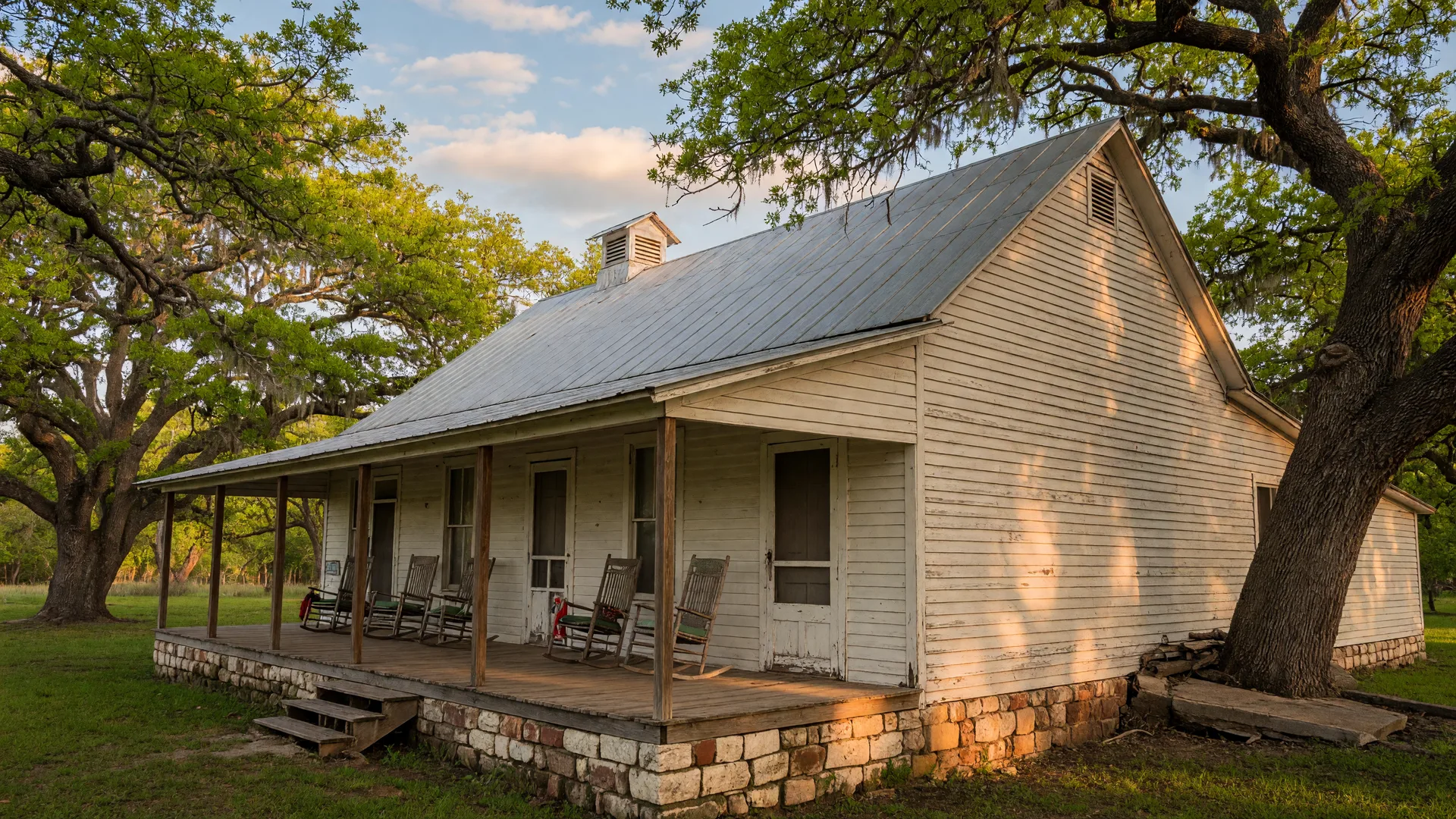
About 43 miles east of Boerne, tucked against a sweeping bend in the Guadalupe River, the Gruene Historic District is one of the most intact 19th-century German-Texas settlements in the Hill Country. Pronounced "green," this collection of roughly two dozen original buildings on 15 walkable acres includes the oldest continuously operating dance hall in Texas, a restaurant housed in a restored 1870s cotton gin, and direct access to one of the most popular stretches of the Guadalupe River for tubing, kayaking, and swimming [1][2].
Gruene is not a town in the formal sense — it is a historic district within the city limits of New Braunfels, about 5 miles north of downtown. But it has the density, the history, and the cultural identity of a town of its own. The district was listed on the National Register of Historic Places in 1975 after nearly becoming a ghost town, and the restoration effort that followed turned it into a destination that draws visitors from across Texas and beyond [1][3]. For anyone living in or moving to the Hill Country, it is one of the most rewarding day trips within an hour of Boerne.
How Gruene went from ghost town to destination
Gruene was founded by German immigrant Ernst Gruene, who arrived in Texas in the 1840s and settled in what would become Comal County. His son Henry D. Gruene built a cotton farming operation in the 1870s that became one of the largest in the region — a banking, ginning, and shipping enterprise that supported a community of several hundred people [1][4]. By 1900, Gruene was a thriving cotton center with a mercantile, a gin, and the dance hall that would later become its most famous landmark.
The collapse came in two waves. The boll weevil infestation that devastated cotton across the South hit Gruene hard in the 1910s. Henry Gruene died in 1920. The original cotton gin burned in 1922. The Great Depression followed. By 1930, the population had dropped to roughly 75 people. By 1950, Gruene was effectively a ghost town [1][5].
The restoration began, almost accidentally, in 1974. Chip Kaufman, a University of Texas architecture student, discovered the abandoned cluster of buildings while kayaking on the Guadalupe River. He recognized the architectural significance of the structures and began working to prevent their demolition [1][5]. In 1975, Pat Molak and Mary Jane Nalley purchased Gruene Hall and several surrounding buildings and began a systematic restoration that would eventually return the entire district to its late-19th-century character. The old cotton gin was transformed into the Gristmill River Restaurant, which opened in 1977 [3][6].
Today, the district retains more than 90 percent of its original structures, a preservation rate that is exceptional for any historic district in Texas [1]. Walking through Gruene is not a simulation. The buildings are the real ones, placed where they were originally built, doing the things they were designed to do — a dance hall still holding dances, a mercantile still selling goods, a cotton gin still standing, even if it now serves chicken-fried steak and cold beer instead of processing bales.
How to get there from Boerne
Gruene is located at 1601 Gruene Road in New Braunfels, approximately 43 miles east of downtown Boerne via State Highway 46 [7][8]. The drive takes roughly 50 to 55 minutes under normal traffic conditions. From Boerne, take SH 46 East through the community of Bergheim toward Bulverde, then continue east as SH 46 connects to I-35 just north of New Braunfels. Exit at FM 306 South (Gruene Road) and follow the signs into the historic district.
An alternative route uses I-10 East from Boerne to Loop 1604, then Loop 1604 East to I-35 North, but SH 46 is generally the more direct and scenic option — a two-lane road that winds through live oak savanna and limestone ranchland characteristic of the Hill Country [7][8].
From San Antonio, the drive is approximately 35 miles and takes 35 to 40 minutes via I-35 North to the FM 306 exit. From Austin, it is roughly 55 miles and 50 minutes via I-35 South. Parking in the Gruene district is concentrated in a few paved lots near the entrance; during peak season (summer weekends, holiday weekends, and concert nights), the lots fill early and overflow parking is available along Gruene Road and at nearby commercial lots.
| Starting Point | Distance | Drive Time |
|---|---|---|
| Downtown Boerne | ~43 miles | ~50-55 min |
| Fair Oaks Ranch | ~48 miles | ~55-60 min |
| San Antonio | ~35 miles | ~35-40 min |
| Austin | ~55 miles | ~50 min |
| Fredericksburg | ~65 miles | ~70-75 min |
Distances are approximate and based on standard driving routes.
What to see and do
Gruene Hall — Texas' oldest dance hall
Built in 1878, Gruene Hall at 1281 Gruene Road is the oldest continuously operating dance hall in Texas and the undisputed centerpiece of the historic district [9][10]. The building is unmistakable: a long, white wooden structure with a high-pitched tin roof, wide front porch with wicker rocking chairs, and a 6,000-square-foot open-air dance floor inside. The walls are covered in decades of band posters, concert flyers, and memorabilia. The hall has no air conditioning — the original open-window design is preserved intact, contributing to the genuinely authentic atmosphere that makes it different from purpose-built music venues.
Gruene Hall hosts live music seven days a week, with a mix of free afternoon shows and ticketed evening concerts. National touring acts in Americana, country, blues, and Texas music regularly perform here — artists like Willie Nelson, George Strait, Lyle Lovett, and Merle Haggard have all played the stage [9][10]. During the day, there is no cover charge. Evening concert tickets typically range from $15 to $45 depending on the performer, plus service fees. The hall opens daily at 11 AM, with music beginning in the afternoon and running into the evening [10].
The dance floor is original 1878 wood. The beer garden out back is a shaded patio with picnic tables and a separate bar. It is the kind of place where people travel hundreds of miles specifically to visit, and it has been doing exactly that for over 140 years.
The Gristmill River Restaurant
Adjacent to Gruene Hall, at 1287 Gruene Road, the Gristmill River Restaurant occupies the restored ruins of the original 1870s cotton gin, set beneath the district's iconic steel water tower on the banks of the Guadalupe River [6][11]. The building is a studied piece of adaptive reuse — the original gin machinery, stone foundation, and timber framing are visible throughout the space, and the dining decks extend out over the riverbank under a canopy of live oaks and cypress trees.
The menu is Texas American: chicken-fried steak, Gulf Coast shrimp, grilled quail, burgers, sandwiches, and salads. The Gristmill fries are a signature item. The restaurant operates Sunday through Thursday 11 AM to 9 PM, and Friday through Saturday 11 AM to 10 PM. Weekend waits during peak season can run 45 minutes to an hour; the on-site bar area and the adjacent beer garden at Gruene Hall make the wait manageable [11][12].
Explore the shops
The Gruene Historic District contains a dense collection of locally owned shops housed in the original 19th-century commercial buildings along Gruene Road and the side streets. Notable stops include:
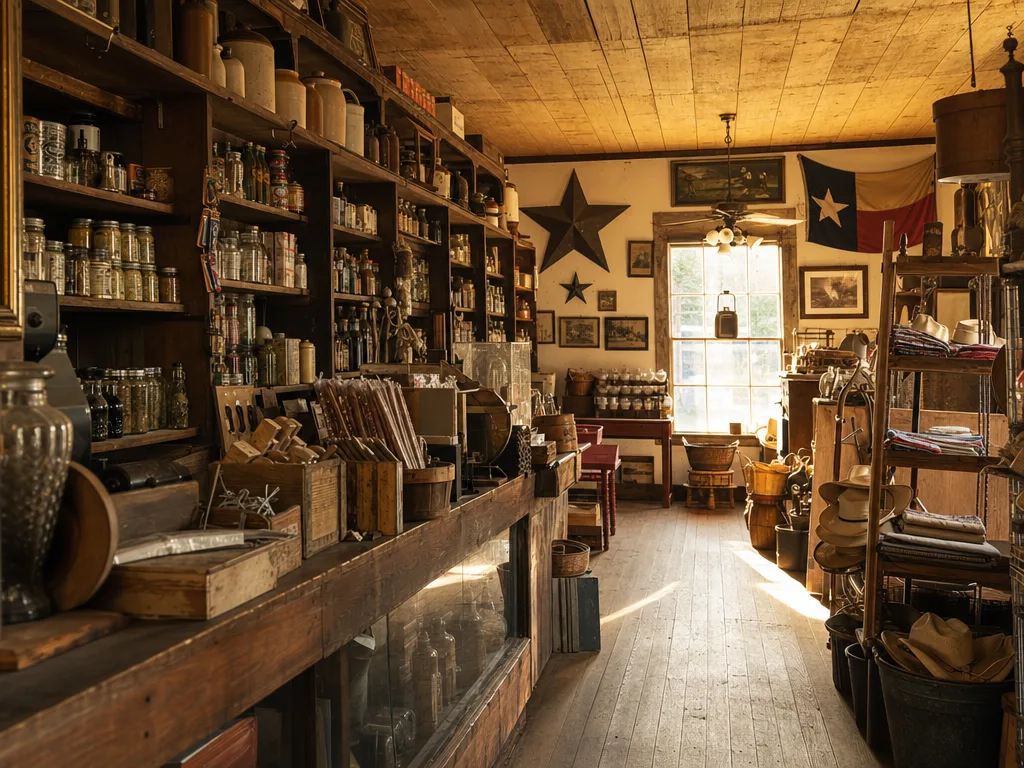
- Gruene General Store — The original mercantile building, stocked with Texas-made goods, gifts, housewares, spices, salsas, and the kind of general-store inventory that rewards browsing. This is the closest thing to a town square anchor in the district [13].
- The Gruene Olive Tasting Room — Offers tastings of infused olive oils and aged balsamic vinegars. A small, focused shop that draws consistently positive reviews [13].
- Caylor Forge & Leatherworking — A blacksmith shop and leather workshop that has been operating since 1980, producing handmade knives, belts, holsters, and leather goods on-site. Watching the smith work the forge is worth the stop alone [13].
- Gallerie at Gruene — Features contemporary fine art by six local Texas artists, including paintings, sculpture, and mixed-media work [13].
- Cosmic Plant Company — A botanical shop specializing in houseplants, succulents, and garden accessories. A recent addition to the district that fits the evolving character of the retail mix [13].
- Cantina Del Rio — Tacos, fajitas, and margaritas in a casual riverfront setting. Voted "Best Margarita in New Braunfels" multiple years running [13].
- Gruene Barbecue Company — A straightforward Texas BBQ operation for brisket, ribs, and sausage if you want something quicker than the Gristmill sit-down experience [13].
Guadalupe River access
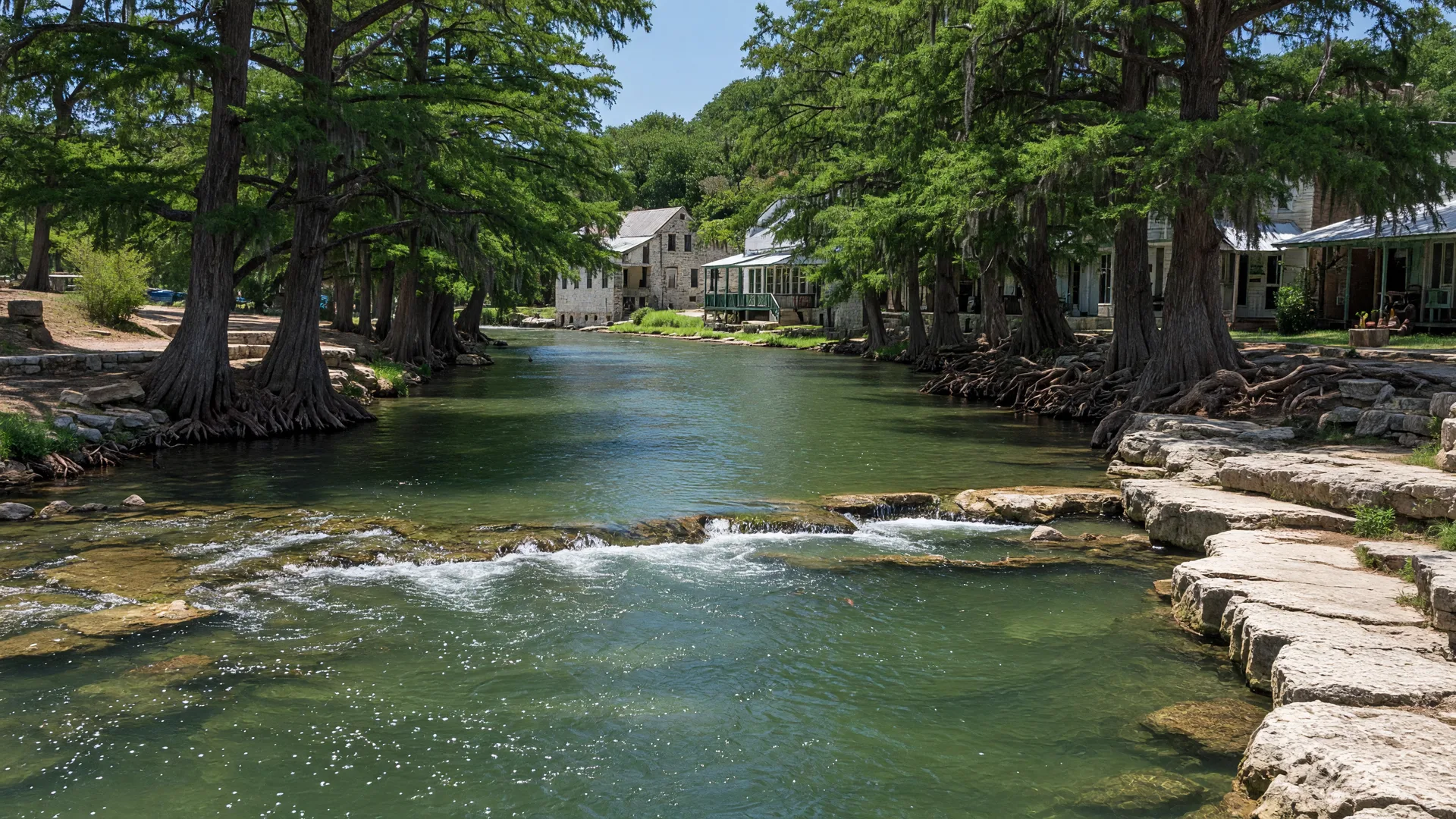
The Guadalupe River is a defining feature of the Gruene experience. The district sits on a bend in the river where the water moves at a moderate pace through a corridor of towering bald cypress trees. During summer months, the river is the primary draw for many visitors.
Several local outfitters operate tube, kayak, and paddleboard rentals within walking distance of the district. Rockin' R River Rides, located at the eastern edge of the district, offers guided and self-guided tubing trips ranging from 1.5 to 4 hours, with shuttle service included [14]. The river through this stretch is generally family-friendly, with a few mild rapids and deep swimming holes. The Guadalupe is also stocked with rainbow trout during the cooler months, making it the southernmost trout fishery in the Northern Hemisphere [15].
Gruene Market Days
On the third full weekend of each month from February through November, plus the first weekend of December, the district hosts Gruene Market Days — an outdoor artisan market with roughly 100 vendors selling handmade crafts, packaged Texas foods, art, jewelry, and home goods [16]. The market sets up throughout the pedestrian areas of the district and draws a significant crowd. Admission is free. If you are planning a visit around a market weekend, arriving before 11 AM is advisable for parking and comfortable browsing.
Practical tips: hours, fees, and timing
| Detail | Information |
|---|---|
| Admission | Free to walk the district; free daytime entry to Gruene Hall; paid concerts |
| Gruene Hall Hours | Daily 11 AM - varies by evening event; call for concert schedule |
| Gristmill Hours | Sun-Thu 11 AM - 9 PM; Fri-Sat 11 AM - 10 PM |
| Market Days | 3rd full weekend each month Feb-Nov, plus 1st weekend Dec; 10 AM - 5 PM; free |
| Best Time to Visit | Spring (March-May) and fall (September-November) for mild weather and fewer crowds |
| Parking | Paid lots near the district entrance; arrive early on weekends and concert nights |
| River Access | Public access via Rockin' R and other outfitters; tube/kayak rentals available |
Hours and pricing may change — confirm current details before visiting, especially for concert schedules and Market Days dates.
Gruene is a seasonal destination. Summer weekends are the busiest, with river crowds, long Gristmill waits, and full parking lots from mid-morning through early evening. If your goal is a relaxed walking tour of the historic district, aim for a weekday visit during the school year. Spring and fall offer the best combination of comfortable weather and manageable crowd levels. Winter is quietest, though some shops operate on reduced hours.
Annual events worth planning around
- Gruene Market Days — Monthly artisan market (see schedule above). The December Market Day is especially popular for holiday shopping [16].
- Gruene Wine & Food Festival — An annual event featuring Texas wineries, local food vendors, and live music throughout the district. Dates vary by year [17].
- Fourth of July — The district hosts live music and riverfront celebrations. Expect peak crowds [17].
- Gruene Lake Days — A summer event series with live music, food specials, and river activities. Typically runs May through August [17].
Why Gruene matters if you are considering the Hill Country
Gruene represents something specific and valuable in the Hill Country landscape: a preserved 19th-century community that has been given a second life without being Disneyfied in the process. The dance hall is genuinely old and genuinely active. The cotton gin is genuinely a ruin that was adapted into a restaurant, not a facade built to look old. The Mercantile sells things people actually use, not just souvenir T-shirts.
For someone evaluating a move to the Hill Country from out of state, Gruene answers a practical question: "Is there authentic culture here, or is everything new?" The answer is that the region has preserved communities like Gruene that demonstrate continuity with its German-Texas settlement history. The same families that built these structures in the 1870s would recognize them today. That kind of cultural permanence is increasingly rare in fast-growing regions, and it is one of the reasons the Hill Country attracts people looking for something more substantive than a standard suburban expansion.
Gruene also serves as a useful indicator of river culture in the Hill Country. The Guadalupe River is one of the defining natural features of the region, and spending time along this stretch gives a clear picture of how the river functions as both a recreational resource and a community gathering space — knowledge that is directly relevant to anyone considering buying property along or near the river corridor.
Pairs well with
Gruene's location in New Braunfels makes it easy to combine with nearby destinations:
- Canyon Lake (Lakes & Rivers) — Just 10 miles west of Gruene via FM 306, Canyon Lake offers a completely different water experience: a 8,200-acre reservoir on the Guadalupe River with boating, fishing, hiking, and the Canyon Lake Gorge. Combining a morning at the lake with an afternoon in Gruene makes a well-paced full day [18].
- New Braunfels (Historic Towns & Villages) — Downtown New Braunfels, with its 1845 German heritage, Wurstfest grounds, and additional dining and shopping, is a 5-minute drive from the Gruene district and extends the day trip naturally [19].
| Feature | Gruene | Comfort |
|---|---|---|
| Distance from Boerne | ~43 miles | ~17 miles |
| Historic District Size | ~15 acres, ~25 buildings | ~192 acres, ~100 buildings |
| Signature Attraction | Gruene Hall (dance hall, 1878) | Freethinker monuments (1854) |
| River Access | Direct — Guadalupe River | Indirect — limited river proximity |
| Music | Live music 7 days a week | Limited live music |
| Crowd Level | Moderate to high (peak season) | Low to moderate |
| Best for | Music, river, dining, shopping | History, architecture, quiet cafés |
Gruene and Comfort offer two distinct German-Texas historic district experiences less than an hour apart — each worth visiting for different reasons and at different times of year.
Frequently asked questions
Is Gruene free to visit?
Yes. The Gruene Historic District is a publicly accessible area with no admission fee. Walking through the district, browsing the shops, and visiting Gruene Hall during daytime hours are all free. Ticketed evening concerts at Gruene Hall typically range from $15 to $45. Parking in the main lots costs a small fee during busy periods, but there is no gate or entry charge to the district itself.
How long should I plan for a day trip to Gruene?
Three to five hours is a comfortable range for most visitors. A meal at the Gristmill, a walk through the shops, and a drink at Gruene Hall covers the core experience in about three hours. Adding a river float or kayak trip extends it to a full day. If you are visiting during Market Days or attending an evening concert, plan for five to seven hours. The district is compact enough that you can experience it at a relaxed pace without feeling rushed.
What is the best time of year to visit Gruene?
Spring (March through May) and fall (September through November) offer the most comfortable weather for walking the district and the best balance of moderate crowds. Summer is the peak season for river activities, but temperatures regularly exceed 95 degrees Fahrenheit and the district is at its most crowded. Plan summer visits for a late-morning arrival with an early-afternoon river float, or an evening concert visit. Winter is quiet, with cooler temperatures and reduced shop hours, but the absence of crowds makes for a more contemplative experience.
Can you bring children to Gruene?
Yes. Gruene is family-friendly during daytime hours. The Gristmill and other restaurants accommodate children. The river is a popular family activity, and the walkable district is easy to navigate with strollers. Gruene Hall allows minors during daytime hours but is 21-and-up after certain evening hours depending on the event. The historic buildings, the water tower, and the river provide enough visual interest for children to stay engaged for a few hours. Market Days weekends are especially engaging for families, with crafts and food vendors scattered throughout the district.
Is it pronounced "green" or "grew-nee"?
It is pronounced "green" — the same as the color. The name comes from Ernst Gruene, the German immigrant who founded the settlement, and while the German pronunciation would be closer to "grew-neh," generations of Texas usage have settled on the anglicized "green." Either way, locals and visitors alike will understand what you mean.
Sources
- [1] Gruene, New Braunfels, Texas — Wikipedia. en.wikipedia.org/wiki/Gruene,_New_Braunfels,_Texas
- [2] Gruene Historic District — Texas Time Travel. texastimetravel.com
- [3] History — Gruene Historic District. gruenetexas.com/history/
- [4] Gruene, TX — Handbook of Texas Online. tshaonline.org
- [5] Gruene, Texas Ghost Town — United States Ghost Towns. unitedstatesghosttowns.com
- [6] About — Gristmill River Restaurant & Bar. gristmillrestaurant.com/about/
- [7] Rome2Rio — Boerne to Gruene. rome2rio.com
- [8] Distance from Boerne, TX to New Braunfels, TX — Distance-Cities.com. distance-cities.com
- [9] Gruene Hall — Wikipedia. en.wikipedia.org/wiki/Gruene_Hall
- [10] Gruene Hall — Gruene Historic District. gruenetexas.com/venue/gruene-hall/
- [11] Contact — Gristmill River Restaurant & Bar. gristmillrestaurant.com/contact/
- [12] Gristmill River Restaurant & Bar — TripAdvisor. tripadvisor.com
- [13] Merchants — Gruene Historic District. gruenetexas.com/merchants/
- [14] Rockin' R River Rides — New Braunfels. rockinr.com
- [15] River — Gruene Historic District. gruenetexas.com/river/
- [16] Gruene Market Days — Gruene Historic District. gruenetexas.com
- [17] Events — Gruene Historic District. gruenetexas.com/events/
- [18] Canyon Lake — Hill Country Homesteads. hillcountryhomesteads.com
- [19] New Braunfels, TX — Texas Time Travel. texastimetravel.com
Published August 5, 2026
Updated August 5, 2026