
Ingram is one of those Hill Country towns that most people drive through on their way to somewhere else. Located just west of Kerrville on the Guadalupe River, it sits along Highway 27 at the junction where the upper Hill Country begins to transition into the more rugged, semi-arid landscape of the Edwards Plateau. The town has roughly 1,800 residents, a historic downtown that has not been aggressively commercialized, and a riverfront that sees far less traffic than the better-known sections of the Guadalupe further downstream [1][2].
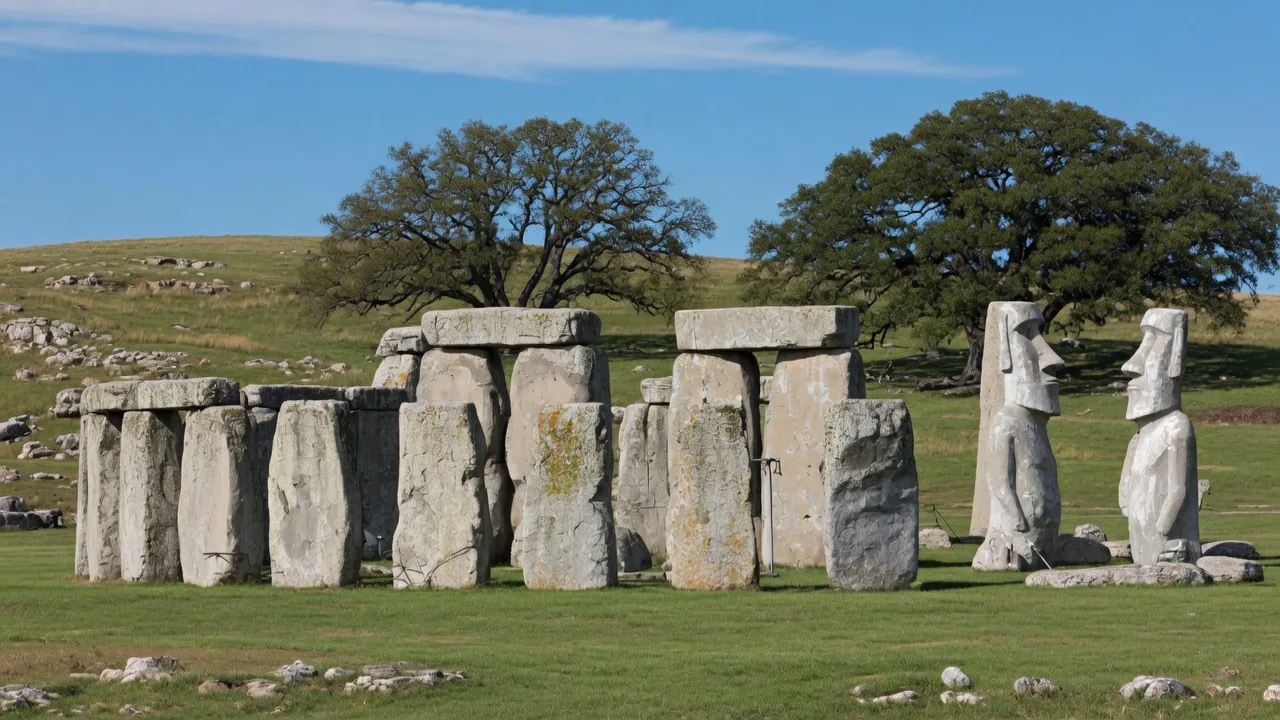
What makes Ingram worth a dedicated trip is the unexpected concentration of genuinely interesting things within a few blocks of each other. Stonehenge II — a 90-percent-scale concrete replica of the original standing in a grassy field — sits on the campus of the Hill Country Arts Foundation, which also houses a theater, a sculpture garden, and rotating art exhibitions. The Old Ingram Loop offers a walkable historic district with local art studios, antique shops, and restaurants. And the Guadalupe River provides swimming, kayaking, and tubing access that is less crowded than the New Braunfels or San Marcos sections [1][3][4].
For anyone evaluating the Hill Country as a place to live, Ingram offers a useful case study in how small towns in this region maintain their identity. It has not been transformed into a tourist destination the way Fredericksburg or Gruene have. It is not trying to be something other than what it has always been — a working river town with a deep arts community, a modest pace of life, and a sense of humor about itself (the giant concrete henge is evidence of that last point). That authenticity is increasingly rare, and it is worth understanding [2][5].
How Ingram was founded
Ingram was established in the late 1870s as a ranching and farming community on the Guadalupe River, roughly 50 miles northwest of San Antonio. The town was named after J. H. Ingram, a prominent local rancher and landowner who donated right-of-way for the railroad that was expected to pass through the area. The railroad never arrived, but the town persisted as a supply center for the surrounding ranch country [1][2].
By the early 1900s, Ingram had a school, several churches, a bank, a hotel, and a handful of general stores serving the ranching families scattered across the upper Guadalupe watershed. The population peaked at around 1,100 in the 1920s and then declined during the Dust Bowl years as many ranch families moved to cities. For much of the mid-20th century, Ingram was a quiet crossroads town — the kind of place you passed through on the way to Kerrville without giving it much thought [1][2].
What changed Ingram's trajectory was not a development project or a tourism initiative but a retired hotel owner with a sense of humor and a lot of concrete. Al Shepperd, who had made his fortune in the hotel business in Dallas, retired to a ranch near Ingram in the 1980s. In 1989, his neighbor Doug Hill had an extra limestone slab left over from a back patio project and offered it to Shepperd as a joke. Shepperd stood it up in his pasture, liked the effect, and then financed Hill to build a full-scale replica of Stonehenge on the property. The project took nine months to complete using plaster and graphite-covered metal mesh over steel frameworks, standing at 90 percent of the original's height and 60 percent of its width. Shepperd later added two 13-foot Easter Island head replicas for good measure [3][6][7].
Shepperd died in 1994, and for 16 years the henge stood on his land, gradually becoming a local landmark. In 2010, when the property was sold, the new owners planned to demolish it. The Hill Country Arts Foundation launched a "Save Stonehenge II" campaign, raised the necessary funds, and moved the stones piece by piece to their campus at 120 Point Theatre Road South in Ingram, where the installation remains today as a free public attraction [3][6][7].
The story of Stonehenge II is worth understanding because it tells you something about the character of the Hill Country. This is a region where a retired hotelier could build a full-scale henge replica on his ranch just because he felt like it, and where the community would rally to save it when the land changed hands. There is a willingness here to embrace the eccentric and the unexpected that is not found in every part of the country [3][6][7].
How to get there from Boerne
Ingram is located approximately 45 miles northwest of Boerne via I-10 West and Highway 27. The drive takes roughly 50 to 55 minutes under normal traffic conditions [8]. The route is straightforward:
Take I-10 West from Boerne toward Kerrville for approximately 28 miles. Exit at Highway 27 / Harper Road (Exit 501) in Kerrville and follow Highway 27 west for approximately 12 miles. Ingram will appear on both sides of the highway as you cross the Guadalupe River. The Hill Country Arts Foundation and Stonehenge II are on the south side of the highway at 120 Point Theatre Road South [8].
From San Antonio, Ingram is approximately 70 miles northwest via I-10 West, taking roughly 70 to 75 minutes. From Fredericksburg, it is roughly 30 miles southwest via Highway 16 south to Kerrville and then Highway 27 west, taking approximately 40 minutes [8].
| Starting Point | Distance | Drive Time |
|---|---|---|
| Downtown Boerne | ~45 miles | ~50-55 min |
| Fair Oaks Ranch | ~50 miles | ~55-60 min |
| San Antonio | ~70 miles | ~70-75 min |
| Kerrville | ~8 miles | ~10-12 min |
| Fredericksburg | ~30 miles | ~35-40 min |
Distances are approximate and based on standard driving routes via I-10 and Highway 27.
What to see and do
Ingram's attractions are concentrated enough that you can visit most of them on foot. The Old Ingram Loop, the Hill Country Arts Foundation campus, and the Guadalupe River access points are all within a short drive or a moderate walk of each other, making this a town that rewards a relaxed, unhurried approach [1][4][5].
Stonehenge II and the Hill Country Arts Foundation
Stonehenge II is the most photographed landmark in Ingram, and for good reason. Standing in an open field on the campus of the Hill Country Arts Foundation, the replica consists of roughly 30 concrete standing stones arranged in the same circular formation as the original in Wiltshire, England. The two Easter Island head replicas — each 13 feet tall — stand nearby, giving the installation an oddly compelling cross-cultural quality that is difficult to describe and impossible to forget [3][6][7].
Up close, the stones reveal their construction: they are made of concrete and plaster over a metal mesh and steel framework, textured to resemble the weathered sarsen stones of the original. The scale is impressive — the tallest stones reach roughly 18 feet — and the effect is more convincing than you might expect from a roadside attraction built by a retired hotelier and his neighbor in a backyard. The installation is free to visit and open to the public during daylight hours [3][6][7].
Beyond the henge, the Hill Country Arts Foundation campus includes the Point Theater, which produces a full season of plays and musical performances; the McNutt Sculpture Garden, featuring outdoor sculptures by Texas artists; and an indoor gallery with rotating exhibitions of contemporary art. The foundation has been a fixture of the community since 1958 and serves as the cultural anchor for the upper Guadalupe Valley [4][9].
The Old Ingram Loop
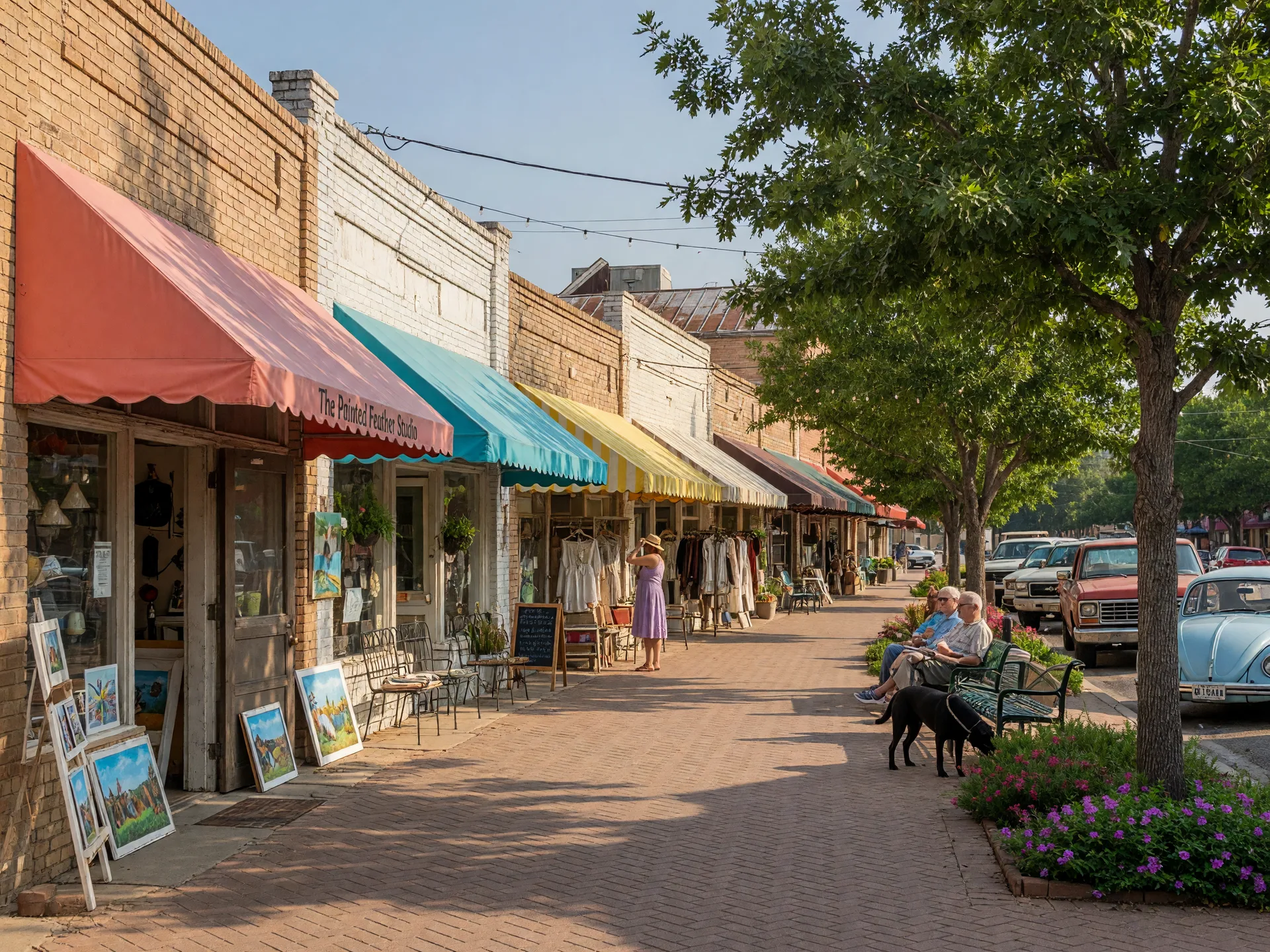
The Old Ingram Loop is a short stretch of the original highway alignment that has been preserved as a pedestrian-friendly shopping district. The loop is lined with historic buildings dating from the late 1800s and early 1900s, now housing a mix of art galleries, antique shops, boutique retail, and restaurants [1][5][9].
What distinguishes the Old Ingram Loop from similar historic districts in other Hill Country towns is the absence of heavy commercial pressure. The shops are locally owned, the merchandise is a mix of genuine antiques and local artisan work rather than imported souvenirs, and the pace of the district is noticeably slower than Fredericksburg's Main Street or Gruene's commercial strip. For visitors who find the more popular Hill Country destinations overly crowded, the Old Ingram Loop offers a welcome alternative [1][5][9].
Notable stops on the loop include the Ingram Art Center, which features works by regional artists; several antique shops with the kind of eclectic inventory that rewards patient browsing; and a handful of restaurants and cafés that serve honest, straightforward food without pretense [4][5][9].
Guadalupe River access
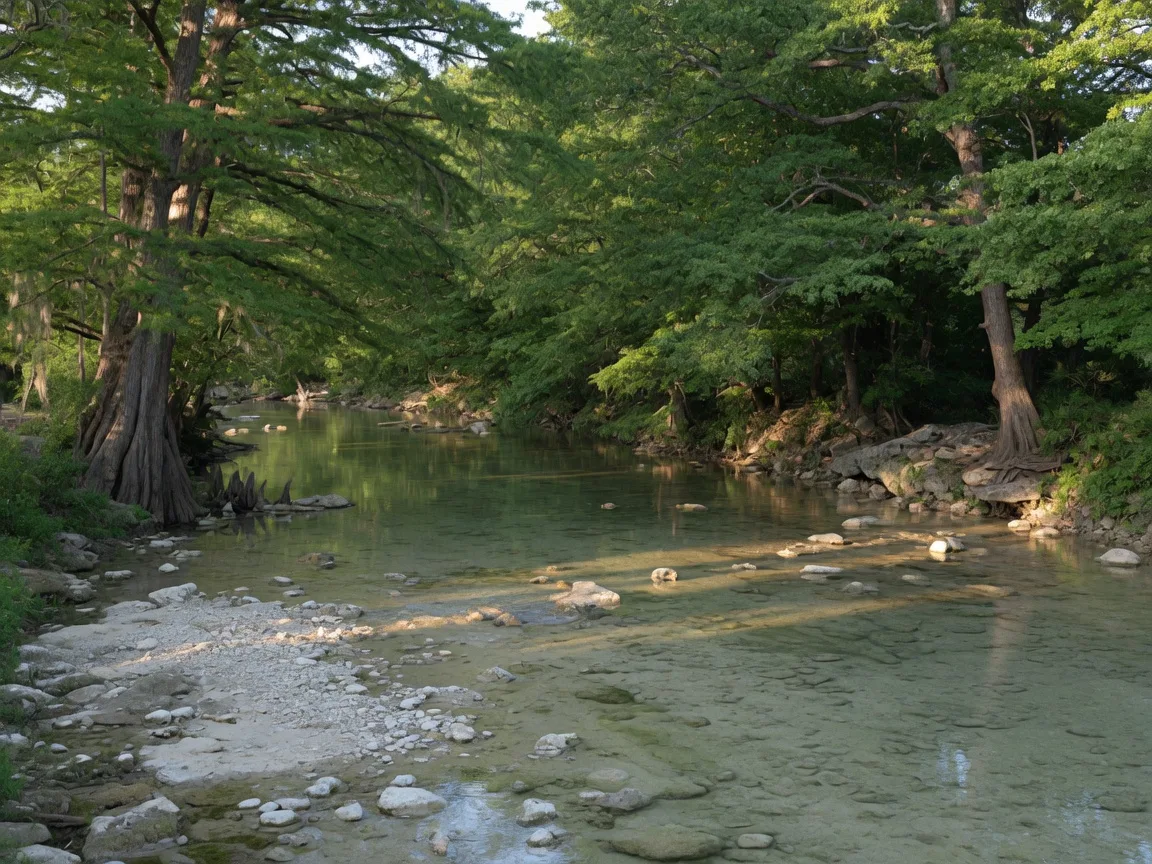
Ingram sits on a particularly scenic stretch of the Guadalupe River, where the water is clear and spring-fed, the banks are shaded by large cypress and live oak trees, and the crowds are significantly smaller than the famous tubing sections in New Braunfels and San Marcos [10][11].
Public river access is available at several points in and around Ingram. The Ingram Dam area, located just off Highway 27, is a popular spot for wading and swimming. The river in this section is generally shallow enough for safe wading during normal flow conditions, with deeper pools at the dam itself. Kayaking and canoeing are also viable, particularly during spring and early summer when the flow rates are higher [10][11].
For those who prefer a more developed river experience, Kerrville-Schreiner Park — located just 8 miles east of Ingram in Kerrville — offers 500 acres of Guadalupe River frontage with improved swimming areas, boat ramps, fishing piers, hiking trails, and camping facilities. The park is operated by Kerrville and provides a well-maintained alternative to the more rustic river access points in Ingram itself [10][11].
Hill Country Distillers
Located in the heart of Ingram, Hill Country Distillers offers tours and tastings of handcrafted spirits produced on-site. The distillery specializes in small-batch vodka, gin, and whiskey made from Texas-grown grains, and the tasting room provides a relaxed setting to sample the product line. The distillery's location on the Old Ingram Loop makes it a convenient stop during a walking tour of the district [4][9].
Nearby: Kerrville's cultural scene
Ingram's proximity to Kerrville — roughly 8 miles east on Highway 27 — means that visitors can easily combine both towns into a single day trip. Kerrville adds several significant attractions to the itinerary: the Museum of Western Art, which houses a nationally recognized collection of cowboy and Western-themed artwork; the Kerrville River Trail, a 2-mile paved path along the Guadalupe River; the Riverside Nature Center, a free arboretum with native plant gardens; and the Coming King Sculpture Prayer Gardens, featuring the iconic Empty Cross sculpture [10][12].
Kerrville also offers a substantially larger dining scene than Ingram, with options ranging from casual barbecue and Tex-Mex to more upscale farm-to-table restaurants. For visitors planning a full day in the area, a typical itinerary might be: morning at Stonehenge II and the Hill Country Arts Foundation, lunch and shopping on the Old Ingram Loop, afternoon on the Guadalupe River, and evening in Kerrville for dinner and a stroll along the river trail [10][12].
Seasonal highlights
Ingram's events calendar is driven largely by the Hill Country Arts Foundation, which produces a full season of theater performances running from spring through fall. The Point Theater's schedule includes musicals, dramas, and youth productions, with seating for roughly 200 people in an intimate theater setting [4][9].
The Old Ingram Loop hosts periodic art walks and special events, particularly during the spring and fall when the weather is most pleasant. These events are typically low-key — local musicians playing on the sidewalk, artists demonstrating their work, and restaurants offering seasonal specials — but they provide a good reason to time a visit around a specific weekend [4][9].
On the river, late spring through early fall (May through September) is the prime season for swimming and tubing. Water temperatures in the Guadalupe are cool even in the summer, typically ranging from the mid-60s to low-70s depending on the spring flow. The river is at its most reliable in June and July, when the Edwards Aquifer recharge is at its seasonal peak [10][11].
| Season | Activities | Best For |
|---|---|---|
| Spring (Mar-May) | Theater season opens, wildflowers, art walks, moderate river flow | Hiking, photography, arts events |
| Summer (Jun-Aug) | Peak swimming and tubing, evening theater performances, peak tourism | River activities, evening cultural events |
| Fall (Sep-Nov) | Final theater performances, fall colors, smaller crowds, art walks | Arts, shopping, scenic drives |
| Winter (Dec-Feb) | Quiet season, limited events, cold river temperatures | Indoor arts, dining, solitude |
Ingram's seasonal activity calendar is shaped by the Hill Country Arts Foundation's theater schedule and Guadalupe River flow conditions. Spring and fall offer the most balanced experience.
Practical tips: hours, fees, and timing
Ingram is a small town, and its attractions operate on a more relaxed schedule than the major tourist destinations in the Hill Country. Plan accordingly [4][9][10]:
| Attraction | Hours | Admission |
|---|---|---|
| Stonehenge II | Daylight hours, daily | Free |
| Hill Country Arts Foundation | Tue-Sat 10:00 AM - 4:00 PM | Free (gallery); theater shows vary |
| Old Ingram Loop shops | Varies by business; typically 10:00 AM - 5:00 PM | Free to browse |
| Hill Country Distillers | Thu-Sun; hours vary seasonally | Tasting fees apply |
| Guadalupe River access | Daylight hours; seasonal | Free (public access points) |
| Kerrville-Schreiner Park | Daily, 7:00 AM - 10:00 PM | $5 per person (day use) |
Hours and admission fees are subject to change. Check individual business or attraction websites before visiting for the most current information.
Best time to visit: Spring (March through May) and fall (September through November) offer the most comfortable temperatures and the most attractive conditions for exploring the outdoor attractions. Summer visits are viable, particularly for river activities, but expect afternoon temperatures above 95 degrees Fahrenheit. Many shops and galleries keep shorter hours during the winter, so call ahead if visiting between December and February [4][9][10].
What to bring: Comfortable walking shoes for exploring the Old Ingram Loop. Swimwear and a towel if you plan to use the river access points. Sunscreen and a hat are essential in warmer months. Insect repellent is recommended during summer evenings near the river. Cash is useful for smaller shops and the distillery tasting room, though most businesses accept cards [4][9].
Dining note: Ingram's restaurant options are limited but solid. The Old Ingram Loop has several casual options including the Copper Pot (brunch and lunch), the Hunter House Cafe (breakfast and lunch), and Rio Ranch Cafe (Southwestern/American). For a wider selection, Kerrville's dining scene is just 8 miles east and offers everything from barbecue to farm-to-table cuisine [5][9].
Why Ingram matters if you are considering the Hill Country
Ingram represents a category of Hill Country town that is becoming harder to find: a community that has not been reshaped by tourism dollars. The town has a functional downtown, a riverfront, an arts community, and an eccentric landmark that draws visitors from around the country — but it has not been optimized for visitor convenience. The shops close early. The restaurant selection is limited. The streets are quiet on weekdays [1][2][5].
For someone evaluating a move to the Hill Country, that is useful information. It tells you that not every town in this region has been transformed into a weekend destination. There are still places where the pace of daily life is determined by the residents rather than by the flow of visitors, where a 45-minute drive from Boerne can take you to a community that feels genuinely different from the one you left [1][2][5].
Ingram also demonstrates something about the cultural infrastructure of the Hill Country. The Hill Country Arts Foundation, which has been operating for over 60 years, is a serious cultural institution that produces professional theater, hosts art exhibitions, and provides arts education for the surrounding region. It is not a museum that has been dropped into a small town — it is a community organization that grew out of the town itself, and it reflects the priorities and values of the people who live here [4][9].
For families considering a move to the Hill Country, particularly those who value access to the arts, Ingram and nearby Kerrville offer a version of small-town life that includes cultural amenities without requiring a long drive to a major city. The Point Theater's season, the rotating exhibitions at the arts foundation, and the Museum of Western Art in Kerrville provide a level of cultural depth that is unusual for a region of this population density [4][9][12].
And then there is Stonehenge II. A full-scale concrete henge with Easter Island heads would be a memorable roadside attraction anywhere. In the Texas Hill Country, it feels like a natural fit — a testament to the region's willingness to embrace the unexpected, to support the eccentric, and to preserve the kind of things that make a place feel like it has a personality rather than a brand. That is a quality worth understanding, whether you are planning a day trip or a permanent move [3][6][7].
Pairs well with
- Kerrville (Wine, Food & Culture) — Just 8 miles east on Highway 27, Kerrville offers the Museum of Western Art, the Kerrville Folk Festival grounds, the River Trail, and a significantly larger dining scene. The two towns make a natural pair for a full-day exploration of the upper Guadalupe Valley [10][12].
- Bandera (Historic Towns & Villages) — Located 25 miles south of Ingram via Highway 16 and 173, Bandera offers the Cowboy Capital of the World experience with weekly rodeos, dude ranches, and the Medina River. A combined Ingram-to-Bandera loop covers a wide range of Hill Country cultural territory — from a concrete henge and an arts foundation to a working cowboy town with live rodeo [1][2].
Frequently asked questions
Is Stonehenge II the real Stonehenge?
No. Stonehenge II is a concrete replica built in 1989 by retired Dallas hotel owner Al Shepperd and his neighbor Doug Hill. It stands at about 90 percent of the original's height and 60 percent of its width. The original Stonehenge in Wiltshire, England, was built from massive sarsen stones between 3000 and 2000 BC. The Texas version is made of concrete and plaster over a steel mesh framework, but it has become a beloved Hill Country landmark in its own right [3][6][7].
How much does it cost to see Stonehenge II?
Stonehenge II is free and open to the public during daylight hours. It is located on the campus of the Hill Country Arts Foundation, and there is no admission fee to walk the grounds, see the henge, or view the outdoor sculpture garden. Indoor gallery exhibitions at the arts foundation are also free, though theater performances at the Point Theater have ticket prices that vary by production [3][4][9].
Can you swim in the Guadalupe River at Ingram?
Yes. The Guadalupe River at Ingram offers clear, spring-fed water that is generally safe for swimming, wading, and tubing during the warmer months. Public access points are available, including the area around the Ingram Dam. The water is typically cool (mid-60s to low-70s) even in summer. However, flow rates vary seasonally and after heavy rainfall, the river can rise quickly. Always check current conditions before entering the water, and be aware that there are no lifeguards at the public access points [10][11].
Is Ingram family-friendly?
Yes, Ingram is a family-friendly destination. Stonehenge II and the Hill Country Arts Foundation grounds are open and accessible for children. The Old Ingram Loop is walkable and safe, with shops and restaurants that welcome families. The Guadalupe River access points are suitable for family wading and swimming during appropriate conditions. Kerrville-Schreiner Park, 8 miles east, has a designated swimming area, playground, and picnic facilities that are well-suited for families with young children [4][9][10].
How long should I spend in Ingram?
For a focused visit covering Stonehenge II, the arts foundation, and the Old Ingram Loop, plan for two to three hours. If you add river time, a full half-day is comfortable. To include Kerrville's attractions and dining, make it a full-day trip (six to eight hours). Ingram is a small town, and the attractions are concentrated — it is not a multi-day destination, but it pairs well with Kerrville, Bandera, or Fredericksburg for a longer weekend itinerary [1][4][5].
Sources
- [1] Ingram, Texas — Texas State Historical Association. tshaonline.org/handbook/entries/ingram-tx
- [2] Ingram, Texas — Wikipedia. en.wikipedia.org/wiki/Ingram,_Texas
- [3] Stonehenge II — Wikipedia. en.wikipedia.org/wiki/Stonehenge_II
- [4] Hill Country Arts Foundation — Official Website. hcaf.com
- [5] 12 Must-Do Activities In Ingram, Texas — Quartz Mountain. quartzmountain.org/article/things-to-do-in-ingram-texas
- [6] Stonehenge II and Easter Island Heads, Ingram, Texas — Roadside America. roadsideamerica.com/story/7819
- [7] Stonehenge II — Atlas Obscura. atlasobscura.com/places/stonehenge-ii
- [8] Distance from Boerne, TX to Ingram, TX — Google Maps. google.com/maps
- [9] Day Trip to Ingram, Texas: Art, History & River Fun — Hotel Giles. hotelgiles.com/blog/day-trip-ingram-texas
- [10] Kerrville-Schreiner Park — City of Kerrville. kerrville.org/238/Kerrville-Schreiner-Park
- [11] Guadalupe River Tubing and Recreation — Texas Parks & Wildlife. tpwd.texas.gov/fishboat/boat/water-trails/guadalupe/
- [12] Museum of Western Art — Kerrville. museumofwesternart.com
Published August 12, 2026
Updated August 12, 2026