
Enjoy this guide? Make HillCountryHomesteads.com a preferred source in your Google AI searches.
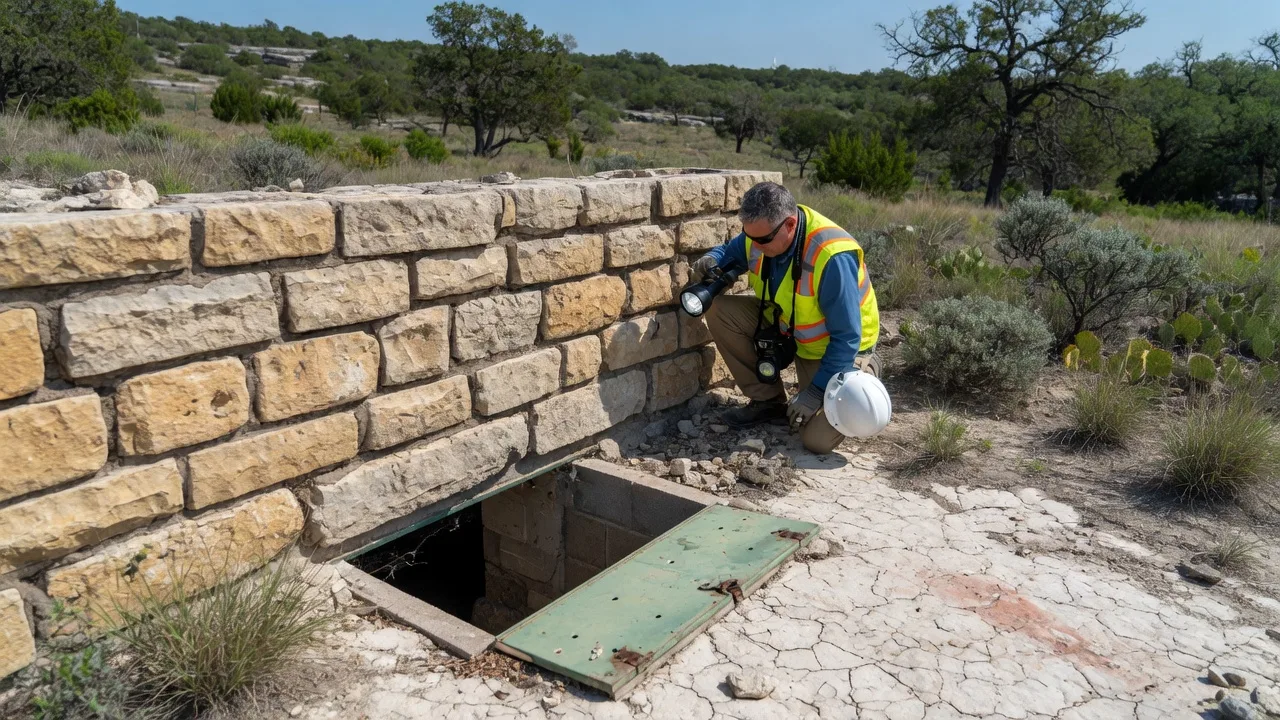
Home Inspection Checklist for Boerne TX
Hill Country-specific inspection concerns -- limestone foundations, well water, septic systems, roofing, and what buyers and sellers need to watch for in Boerne.
Home inspections in the Texas Hill Country involve issues that general inspection standards from other parts of the country simply do not cover. Limestone foundations, well water quality, aerobic septic systems, caliche soil, cedar trees, and hail-resistant roofing are not items on a standard national inspection checklist. Missing them during due diligence can mean five-figure surprises after closing.
This checklist covers the Hill Country-specific inspection concerns that every buyer in Boerne should evaluate -- and what sellers should address before listing. For a more comprehensive general inspection guide, see our Hill Country Home Inspection Checklist for out-of-state buyers.
Foundation Issues Common in the Hill Country
Foundation problems are the most expensive issue you can miss on a Hill Country home inspection. The combination of expansive clay soil, caliche substrate, and alternating drought and heavy rain cycles creates conditions that stress foundations more than in most other regions.
- Pier and beam foundations: Common in older Boerne homes. Check for rot, termite damage, moisture, and sagging beams. The crawlspace should be dry and well-ventilated
- Slab foundations: Most common in newer construction. Look for cracks in sheetrock, doors that stick, windows that do not open smoothly, and sloping floors. Slab cracks wider than 1/4 inch or with vertical displacement warrant a structural engineer evaluation
- Limestone foundation concerns: Limestone is durable but can develop gaps and fissures over time. Check for water seepage through foundation walls, particularly after rain
- Drainage around the foundation: Gutters, downspouts, and grading should direct water away from the foundation. Poor drainage is a leading cause of foundation movement in Hill Country homes
For more on foundation types and inspection concerns, see our Foundation Inspection & Repair resource page.
Roof Considerations in Boerne
The Hill Country experiences frequent hailstorms, high winds, and intense summer sun -- all of which take a toll on roofing materials.
- Hail damage: Check for dented or cracked shingles, exposed felt paper, and granules in gutters. A roof with significant hail damage may need replacement
- Wind damage: Look for lifted, curled, or missing shingles. Ridge caps and flashing should be secure
- Roof age: Standard asphalt shingle roofs last 15-25 years in the Hill Country. A roof approaching 15+ years with visible wear is a negotiating point
- Metal roofing: Increasingly common in Boerne for its hail resistance and longevity. Check for proper fastening, sealant at seams, and paint condition
- Cedar shake roofs: Found on older homes and some custom builds. These require regular maintenance and are more vulnerable to moisture and fire. Insurance may be more expensive for cedar roofs
Plumbing and Electrical in Hill Country Homes
Plumbing and electrical systems in Boerne homes have some region-specific considerations:
- Hard water: Hill Country water is typically very hard (high mineral content). Check for scale buildup in pipes, water heater efficiency, and whether a water softener is installed
- Polybutylene pipes: Used in homes built from the 1970s to mid-1990s. These pipes are prone to failure and should be identified. Most lenders will require replacement
- Galvanized steel pipes: Found in older homes. Corrosion and mineral buildup reduce water pressure over time
- Electrical panels: Check for Federal Pacific, Zinsco, or other recalled panels. These are fire hazards and must be replaced
- Grounding: Verify the system is properly grounded. Older homes may have outdated two-prong outlets or inadequate grounding
- Aluminum wiring: Used in some homes built in the 1960s-1970s. Requires special connectors and should be inspected by a licensed electrician
Well Water and Septic Inspection Requirements
For acreage properties outside city limits, well water and septic system inspections are critical. These are separate from the standard home inspection and require specialized contractors.
Well inspection checklist:
- Well flow rate: Minimum acceptable is 5-7 gallons per minute (GPM). Lower flow rates may require storage tank systems
- Water quality testing: Test for bacteria (coliform, E. coli), nitrates, total dissolved solids (TDS), pH, and common Hill Country minerals (calcium, magnesium, iron). Also test for arsenic and uranium in areas near known deposits
- Well age and construction: Verify that the well was drilled by a licensed driller and that the casing, cap, and seal are in good condition
- Electrical components: Check the pump, pressure tank, and control box for age and condition
For in-depth information on well infrastructure, see our Edwards Aquifer buyer guide.
Septic system inspection checklist:
- System type: Most Hill Country properties use aerobic septic systems (not the conventional anaerobic systems common in other regions)
- Age and condition: Septic systems typically last 20-30 years. A system approaching or past this age may need replacement ($10,000-$20,000)
- Drain field condition: The aerobic system's spray field should be functioning properly with no pooling or odor
- Maintenance records: Request the last 3-5 years of maintenance records. Aerobic systems require quarterly inspections
For more on septic systems, see our Septic Systems in the Hill Country guide and regulatory requirements.
Pool Inspection Considerations
Many Boerne homes have pools, and the Hill Country's limestone and caliche soil create specific pool inspection concerns:
- Plaster and surface condition: Check for cracking, delamination, and staining. Limestone-heavy water can accelerate surface wear
- Equipment age and condition: Pumps, filters, heaters, and chlorination systems should be inspected. Equipment approaching 10+ years may need replacement
- Structural cracks: Ground movement from clay soil can cause pool structural cracks. These require professional evaluation
- Hard water management: Calcium buildup is a common issue with Hill Country pool water. Check for scale on tile and in equipment
HVAC Considerations
HVAC systems in the Hill Country work hard -- cooling season runs from May through October, and the combination of heat, humidity, and hard water stresses equipment.
- Heat pumps: Common in newer Hill Country homes. Check age, condition, and whether the system is sized correctly for the home. Undersized systems run continuously and increase electric bills
- A/C units: Standard split systems with SEER ratings of 14-16 are typical. Units older than 12-15 years should be budgeted for replacement
- Hard water impact: Hard water reduces efficiency in evaporative cooling systems and can damage components over time. A water softener extends HVAC equipment life
- Ductwork: Check for leaks, insulation condition, and whether ducts are properly sealed. Poor ductwork is a major source of energy loss in Hill Country homes
- Filter systems: Verify that the system uses standard replaceable filters and that the filter slot is accessible
What Buyers Should Watch For
Beyond the system-specific issues above, here is what I tell every buyer to pay attention to during the inspection process. Planning a move from California? Our relocation timeline covers the full cross-state process.
- Cedar trees near the foundation: Cedar trees are water hogs and can cause significant soil desiccation, leading to foundation movement. Any cedar within 15-20 feet of the foundation is a concern
- Grading and drainage: The ground should slope away from the foundation at least 6 inches over 10 feet. Improper grading is the most common fixable defect in Boerne homes
- Soffit, fascia, and exterior trim: Wood rot is common on homes where paint has not been maintained. Check for soft spots, discoloration, and evidence of prior repair
- Termites and wood-destroying insects: Required inspection in Texas. Look for mud tubes on foundation walls, damaged wood, and frass (insect droppings)
- Moisture and mold: High humidity creates conditions for mold growth, particularly in crawlspaces and attics. Check for musty odors, visible mold, and moisture stains
What Sellers Should Fix Before Listing
If you are selling a home in Boerne, addressing these items before listing can reduce inspection-related negotiations and accelerate your sale. For executors managing an inherited property, our probate real estate agent page explains how we help families in the Hill Country.
- Roof condition: Replace damaged or missing shingles. Have a roofing contractor address any hail damage before the inspection. If the roof is near end of life, consider a roof credit or replacement
- Foundation cracks: Minor hairline cracks are common and may not need repair. Cracks that are widening or showing displacement should be evaluated by a foundation company
- Plumbing leaks: Fix any known leaks under sinks, at toilets, or in crawlspaces. A small leak found during inspection often triggers a full plumbing evaluation
- Well and septic records: Have well flow test and water quality reports ready. Septic maintenance records should be current
- Electrical: Replace any recalled electrical panels. Fix exposed wiring, missing outlet covers, and non-functional GCFI outlets
- HVAC maintenance: Have the system serviced and provide the maintenance record. Replace air filters
Common Questions About Home Inspections in the Hill Country
Do I need a special inspector for a Hill Country home?
Not necessarily a different inspector, but you need one who understands Hill Country-specific issues: limestone foundations, well and septic systems, aerobic treatment units, and the local climate's effect on HVAC, roofing, and drainage. Ask whether the inspector has experience with these systems before scheduling. See our home inspector directory for local professionals.
Should I get an inspection on new construction in the Hill Country?
Yes. Even new homes can have defects. Consider inspections at multiple stages: pre-pour or foundation, framing and pre-drywall, and final. An independent inspector whose access is authorized by the contract can identify issues before they become expensive problems. Builder warranties have specific claim procedures and deadlines, understand them before closing.
What does a Hill Country home inspection cost?
Inspection costs vary based on the size, age, and condition of the home, as well as any specialty inspections needed (well, septic, foundation, pool). A standard home inspection in the Boerne area typically costs several hundred dollars. Specialty inspections add to that total. The investment is modest compared to the cost of missing a significant defect. See our inspection checklist for what to expect.
More Inspection and Infrastructure Resources
Hill Country Home Inspection Checklist
Comprehensive guide for out-of-state buyers inspecting Hill Country acreage properties.
Read GuideEdwards Aquifer Buyer Guide
Well depth, flow rates, water quality, and aquifer fundamentals for Hill Country buyers.
Read GuideSeptic Systems Overview
Aerobic septic systems, maintenance requirements, and what buyers need to know.
Read GuideFoundation Inspection & Repair
Hill Country foundation types and inspection resources.
Read GuideExperienced guidance through the inspection process
I coordinate with licensed Hill Country inspectors who know the specific issues that matter -- foundation, well, septic, roof, and HVAC -- and I help negotiate repair requests based on inspection findings.
Contact Bill Ross